30 Best Team Building Activities to Build Teamwork at Company Meetings
The absolute best team building activities aren’t actually games or exercises. They are team building experiences that build teamwork and morale. By the way any activity can do this. However, there are a few team activities that are time-tested and audience approved and that also generate a fantastic emotional response from the group.

Fun Team Building Events for Any Sized Group




Charity Team Building Activities – Best for Large Groups.
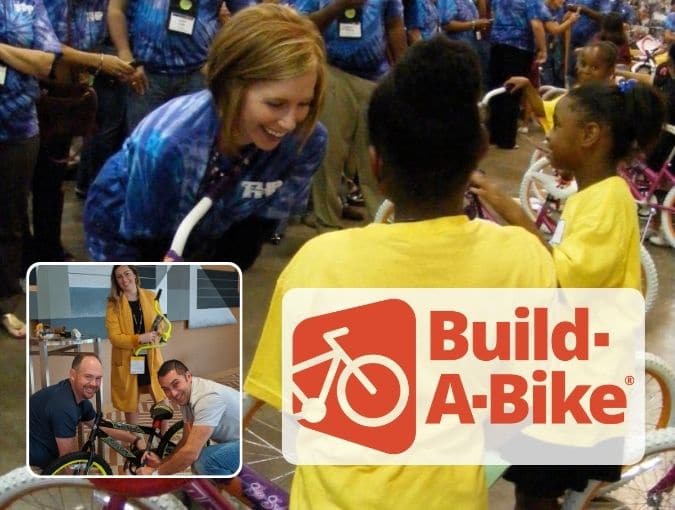

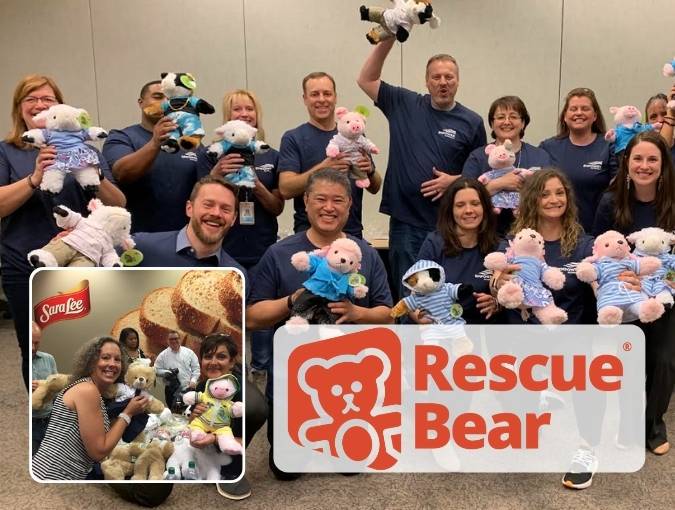
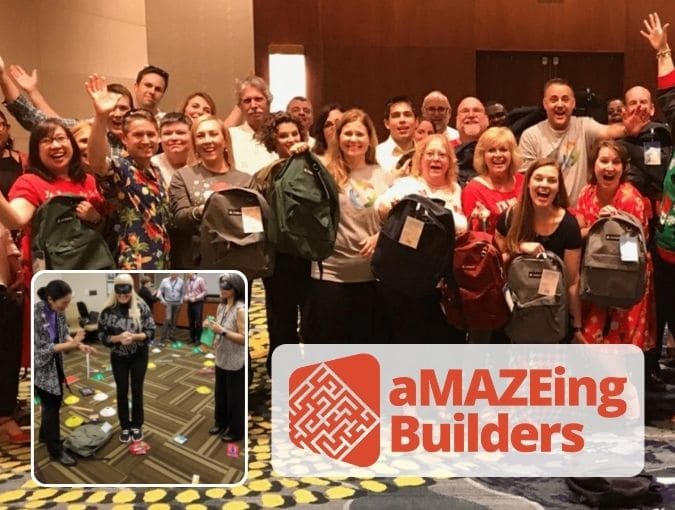
If you are organizing a business meeting for more than 50 people, these options are best! All of these options combine (1) a fun team activity, (2) solid team development, and (3) a donation to the local community. These options can create a fun and memorable experience for the entire group. (They will also get you a huge number of five-star reviews from your participants!)
If you have a smaller group and want to organize a charity team activity, Amazing Builders is the most cost-effective on a per-person basis.
Fun Team Activities for Any Sized Group
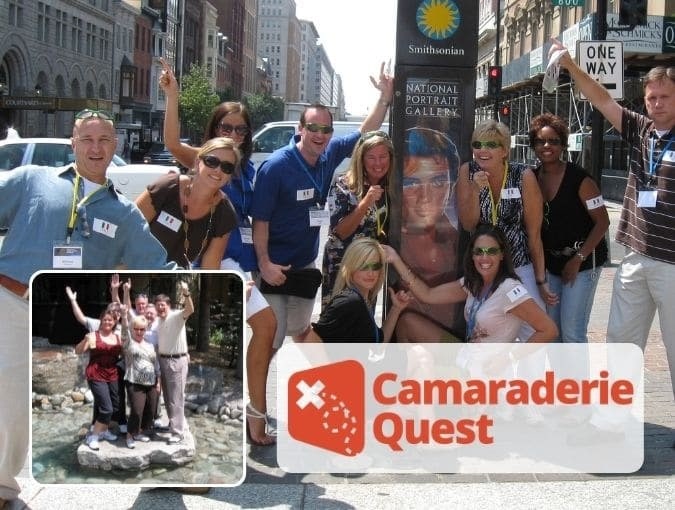



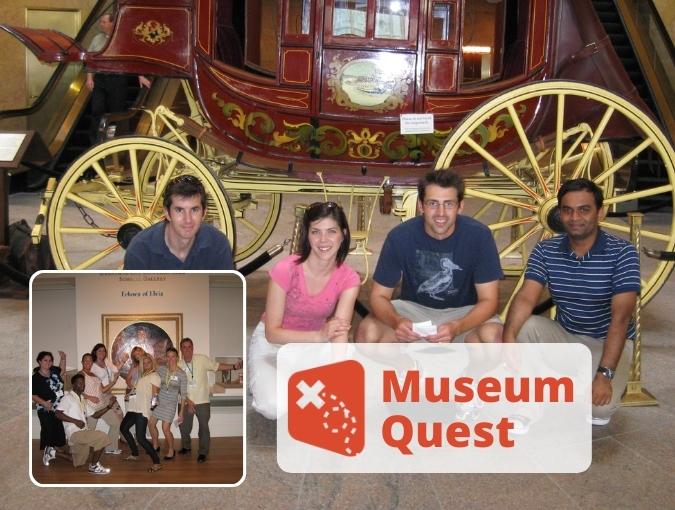
Want to add some fun and teamwork to your business meeting or convention? These options are best for groups with up 100 people. (If your group size is bigger, the charity events above will cost about the same on a per-person basis as many of these activities.)
Team Training Seminars (Best to Fix a Team Challenge.)



 Fearless Presentations
The Leaders Institute offers public speaking training designed to help you eliminate your speaking fears within days.
Fearless Presentations
The Leaders Institute offers public speaking training designed to help you eliminate your speaking fears within days.











 Communicating and Leading Under Pressure
This session helps leaders learn to communicate and lead while under pressure, to better prepare them for challenging situations.
Communicating and Leading Under Pressure
This session helps leaders learn to communicate and lead while under pressure, to better prepare them for challenging situations.
Is your team experiencing some type of team challenge or is morale not as high as you’d like? These training seminars can help. Just like with our team activities above, all of our seminars are highly interactive and FUN!
Virtual Team Activities


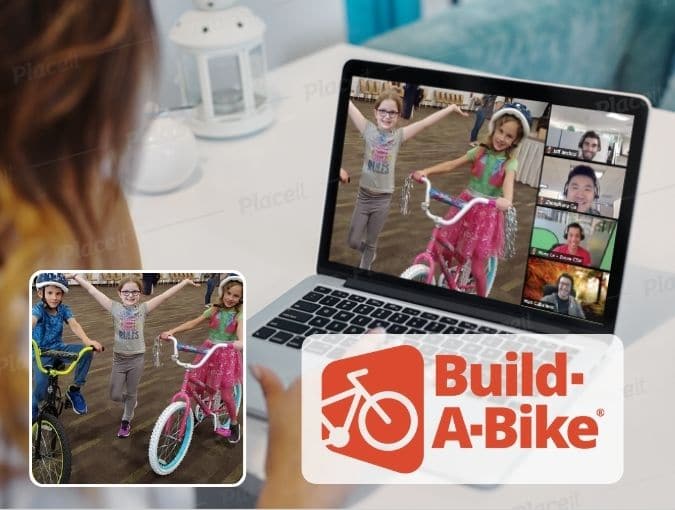
If your team is meeting virtually these team games can be fun and interactive. These games were specifically designed to be delivered virtually. By the way, any of our Training Seminars can also be delivered virtually.