

Soft skills training is often treated as optional, something to fit in after the “real work” of hard skills and technical training. Many leaders assume that if employees know the systems, master the processes, and follow the manuals, everything else will fall into place. But as many HR professionals and training managers know, this is rarely the case.
The importance of soft skills becomes obvious the moment a technically skilled employee struggles to manage a meeting, resolve conflict, or communicate with a customer. Without people skills, interpersonal skills, and emotional intelligence, even the most talented employee will struggle to reach their full potential. Teams may have knowledge, but they miss deadlines, lose focus, and sometimes clash because corporate soft skills were never developed.
That is why organizations now recognize the benefits of soft skills training as a critical part of professional development. Skills like effective communication, problem solving, critical thinking, and time management are transferable skills that strengthen the entire organization. They improve employee engagement, raise work performance, and prepare individuals for leadership positions. When employees practice active listening, social skills, and verbal communication skills, stronger relationships are built that impact both personal growth and professional growth.
From my experience leading workshops, adults learn best by doing. Sitting through lectures has little effect, but when participants try new skills, apply them in real-world situations, and receive coaching in the moment, learning sticks. A training program that includes these opportunities delivers long-term value. When you add a charity team building activity into the mix, the lessons go even deeper. Employees not only develop strong soft skills, they also create a positive impact that connects learning with purpose. This approach gives individuals the tools they need to succeed and gives the entire organization a culture that values leadership development and effective relationships.
Soft Skills Training Can Drive Business Growth by Developing Leadership Skills in Your Team Members
Classroom training is one of the most effective ways to develop soft skills and improve work performance. Unlike recreational team-building events, a structured training program gives team members the chance to practice effective communication, problem solving, and time management. These corporate soft skills strengthen interpersonal skills, build stronger relationships, and create better job satisfaction. They also prepare employees for leadership positions by giving them the confidence to take on real-world challenges
The challenge is engagement. Long lectures rarely hold attention, and adults lose interest when they are only listening. People learn best when they try a skill, apply it quickly, and get immediate feedback. That is why the most effective ways to teach soft skills involve practice. Introduce a concept, then reinforce it with an activity. When participants work together, they practice teamwork, creative thinking, and critical thinking. This approach improves retention and helps facilitators coach behaviors in the moment.
In our leadership workshops, for example, participants learn a memory technique that allows them to recall twenty-eight leadership principles word for word. That early success creates excitement and shows that learning professional development skills can be enjoyable. From there, role plays give pairs a chance to practice conflict resolution with a short scenario and a checklist for effective communication. Programs like Fearless Presentations are great ways to reinforce strong communication skills in a simple and practical format.
Even small competitions between tables can raise energy, spark initiative, and encourage verbal communication skills. These exercises help employees discover their full potential while strengthening leadership skills and building confidence. When those tools move into a charitable setting later, they create an even greater positive impact because the lessons now serve a visible purpose for the entire organization.
Charity Team Building Improves Employee Engagement and Boosts Morale.
Once participants build confidence in the classroom, the next step is to amplify those lessons through a charity team building activity. These events connect professional development with corporate social responsibility. They give employees the chance to practice time management, conflict resolution, and creative thinking in real-world situations. The result is a positive impact on both the community and the organization.
There are plenty of effective ways to design these events. In-person activities might include building school supply kits for children, preparing care packages for community centers, or organizing food drives for families in need. Each of these options ties training objectives to a charitable cause. They also highlight the value of soft skills training by showing how leadership skills, interpersonal skills, and social skills play out outside the classroom.
These activities are also great for leadership development. In one program, we paired a Personality Temperament session in the morning with a timed scavenger hunt for charity in the afternoon. By then, styles were on full display. Some team members acted as initiative-driven self-starters, while others paused to plan, using critical thinking before moving forward. The contrast revealed strengths, gaps, and the importance of strong communication skills. It also reinforced why effective communication and problem solving are essential skills for future leaders.
Charity team building also fits remote and hybrid teams. With the right planning, employees can donate items online, track progress on a shared leaderboard, and celebrate milestones virtually. Micro-challenges tied to social causes are great ways to keep energy high while supporting professional growth. Whether in person or virtual, these events improve employee engagement, encourage a positive attitude, and help build stronger relationships across the entire organization.
When You Combine Soft Skills Training with Charity Team Building You Drive Growth and Boost Morale!
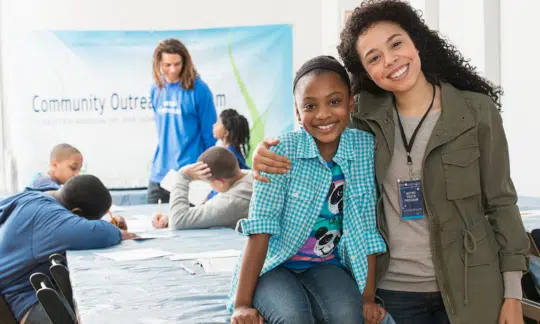
Blending soft skills training with charity team building engages both the head and the heart. Classroom work sharpens effective communication, problem solving, and leadership skills. The charitable cause adds meaning and shows team members that their work creates a positive impact. That clarity raises effort and reinforces the importance of soft skills and corporate soft skills.
Emotion helps lessons stick. When people build bikes, pack kits, or organize a drive, memory improves. Teams practice time management, critical thinking, and interpersonal skills in a real world setting. They confirm roles, use active listening and verbal communication skills, and adapt quickly together.
I saw this during a blended day with a regional operations team. In the morning, we practiced conflict resolution and goal setting. That afternoon, we assembled care packages for a community center. A quiet coordinator stepped forward, used social skills to organize stations, and kept everyone on task. The team later reported faster handoffs, stronger relationships, and better work performance the next month.
This model is flexible for different situations. Large groups can assemble bicycles or prepare care kits. Small teams can run trivia that unlocks donations. Remote groups can use a live leaderboard and short video updates. Each option keeps employee engagement high, encourages a positive attitude, and supports leadership development and employee retention through effective relationships.
The benefits of soft skills training grow when purpose is present. People apply strong soft skills with confidence and move toward their full potential. Work quality rises, personal growth accelerates, and the entire organization serves the needs of customers more effectively. That is the value of combining a training program with service. It is one of the most effective ways to build leaders.
Build a Culture That Thrives on Soft Skills Training
When organizations combine soft skills training with charity team building, they create more than a memorable workshop. They create a culture where leadership skills, interpersonal skills, and teamwork are practiced consistently and applied in ways that matter. These programs prove the value of soft skills by showing how they improve employee performance and make a positive impact both inside and outside the workplace.
The long-term benefits are clear. Employees who practice critical thinking, conflict resolution, and goal setting develop confidence that supports leadership development. They bring a positive attitude to meetings, strengthen personal relationships, and build stronger relationships across departments. This investment in corporate soft skills leads to higher employee retention, improved work quality, and greater employee engagement. Organizations that prioritize these essential skills also gain a competitive advantage, because they develop team members who adapt to different situations and serve the needs of customers more effectively.
Making soft skills training a regular part of your professional development program ensures that personal development and lifelong learning become part of the culture. It helps individuals reach their full potential while preparing the next generation of leaders for leadership positions.
If you want to embed these benefits into your organization, start with our team building activities. For employees who need to sharpen public speaking and presentation skills, Fearless Presentations is a great complement. Together, these programs give your team effective ways to practice communication, build confidence, and create stronger relationships.
Soft skills training is not optional. It is an essential skill set that drives professional growth, strengthens the entire organization, and ensures lasting results.