
Communication is a powerful tool. It is the foundation, the building blocks, and the glue for just about everything. We hear people say that all the time, but it is true. Building and maintaining relationships rely heavily on effective communication. But just talking isn’t effective communication. Effective communication is talking in a way that conveys your thoughts and ideas constructively and with purpose. The problem I see often isn’t just communication, but the generational communication gap.

In today’s workforce, any company can have an age gap from an employee who’s 22 years old to an employee who’s 72 years old. The age gap isn’t the problem. It’s great to have different people with different backgrounds. This dynamic can bring long-term experience on one end and fresh ideas on the other end. The problem is that aspects, such as communication styles, between these generations can create a massive communication gap. I’m not going to dive too deeply into communication styles. However, if you want to learn more about them, check out “Differences Between Generations and Style of Communication.” Now I’ve used the example of a 72-year-old and a 22-year-old, but the communication gaps can occur between any generation. From Baby Boomers to Gen Z or from Gen X to Millennials. Even Millennials and Gen Z can experience poor communication due to generational differences.
Different Generations Have Different Communication Styles.
Have you ever had a moment when you were talking to someone 15 to 20 years older, and then, all of a sudden, their face goes blank? You realized you had thrown in a slang term in place of the formal word. Now, someone a few years older or younger wouldn’t have batted an eye, but they grew up with that slang term being used naturally in conversation. The same can be said anytime you’re talking to someone much younger and they start throwing words and phrases around. At a certain point, you wonder if they’re even still speaking the same language anymore. Don’t worry, it happens to everyone. It’s giving BSFR IYKYK. (By the way, “IT’S GIVING BSFR IYKYK” translates to “It feels like this may pertain to you if you understand the content. I know, it’s a lot.)
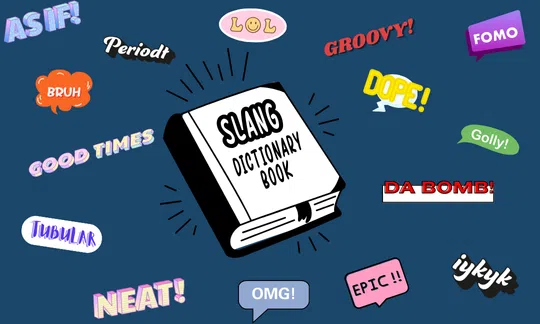
Sometimes, it’s not even slang but a different use of a word. For example, during a marketing meeting, I was talking about social media posts but referred to them as just “posts.” A coworker who’s a few years younger didn’t bat an eye and understood the context. However, the boss, who was a generation older, was sitting there, confused about how I was proposing to boost posts. Turns out, every time I said “post” and meant social media post, he heard “post” like a blog post on the website. We went in circles until we realized where the confusion stemmed from and how to effectively communicate going forward.
These are just a few examples of the common causes of communication gaps. Effective communication can bridge those communication gaps and make for a smoother conversation or meeting. However, if you don’t know those gaps exist, then how would you know where to build that bridge? Understanding that you work in a diverse environment is key. Once you understand that there may be a communication gap, you are more likely to notice it. You can even fix it before it becomes a major communication issue that affects the workplace.
If Communication Has Been Vague, Ask Clarifying Questions.
I recently recognized a huge communication gap between generations. My daughter got into a magnet school and takes all AP classes. Awesome! Until I found out, she skipped an entire year of curriculum, which was not good news. She had a long way to go, but worked hard and caught up. Now she’s in the National Junior Honor Society. She’s proud of that accomplishment, as she should be, so when something threatened that, she became stressed. My daughter was frustrated because the teacher didn’t offer any tutoring or time to complete work outside of class. She followed all the steps I’ve told her, but kept running into brick walls.
So when the parent-teacher conference came around, I spoke to the teacher, hoping there was some misunderstanding. There was, and even I fell into the same misunderstanding bubble. I changed how I was communicating to pop that bubble and get answers. My daughter previously asked if she could get help on assignments during lunch. The teacher said no, she’s busy during lunch.
At the conference, I asked the same thing, and the teacher said no. I rephrased my question, “What times or days DO you or another teacher offer assistance to students?” The teacher said, “Oh, she can come during morning advisory.” Great! Then I asked, “Is there any time during school she can work on assignments?” The teacher responded, “Yeah, during lunch.” I was so confused until I realized where it went sideways. So I stated, “To clarify. She can get HELP and ask questions ONLY during advisory or her class period. However, if she wants to catch up on work, then you offer a study hall during your lunch period. No questions, just an open classroom to work.” The teacher thought long and hard, then slowly nodded. “Yes, yes, that is correct!”

The entire time, my daughter and her teacher weren’t using necessary communication skills to find the best way to resolve a pretty serious issue. Yes, my daughter wanted to ask questions, but she also wanted a place to work. So when the teacher said no, she took that to mean no, she couldn’t do anything in that classroom. The teacher heard “Can I get help on assignments during lunch?” and answered the question, but didn’t communicate that she was available at a different time to offer assistance. Their communication preferences were clashing and preventing important information from getting conveyed. Gen Z and Gen X communication gap at its finest.
There are many ways to recognize a communication gap even before you start talking. The first step is to tweak your communication strategy. Here are a few key things to note.
- Reducing slang and abbreviations.
- Fully communicating your thoughts and not relying on assumptions.
- Reiterating what was communicated to make sure everyone is on the same page.
Real Life Examples of Generational Communication Gaps in the Workplace.
Now that you know what you’re looking for and how to work through communication gaps, let’s fire it up and see what happens.
Jenna is 28 and works in the audit department of an accounting firm. Most of the firm’s employees are in their late 50s to 60s. She has a few o they communicate freely. During a team meeting with the department heads, Jenna presented her data. She stated, “The audit team needs these schedules wrapped up by the end of the week, so let’s just make sure we’re all clear on who’s owning what. And seriously, if anything gets weird or you hit a roadblock, ping me early so we can keep everything moving.” She looked around the room and realized quite a few people were fidgeting and looking around. Their facial expressions told her they were seriously confused. What do you think Jenna said that caused this reaction? How could she have avoided the mass confusion flowing through that room? Let’s dig into it:
- “So let’s just make sure we’re all clear on who’s owning what.”
This phrase could be unclear because her wording uses a common word, but in a slang style: ‘owning’. Instead, she should have said, “So let’s just make sure we’re all clear on who’s responsible for what.” A simple word change can make a huge difference.
Let’s see what else may have caused some confusion.
- “And seriously, if anything gets weird or you hit a roadblock…”
The use of “gets weird” can be weird in itself. What is defined as “getting weird” to one person may not be the context referred to here. Jenna doesn’t mean if the reports start sprouting wings and flying, she means if something seems off or incorrect. Changing the words you use can help to bridge communication gaps and make for clearer instructions.
There may be one more.
- “…ping me early so we can keep everything moving.”
For the most part, you would think everyone should have some kind of clue what she means. However, the issue may be the word ‘ping’. It’s similar to the phrase “page me”, which some reading right now may have zero clue what I’m talking about, while others are saying “Oh, yeah!” The confusion can be in whether the message tactic is specific to a platform. The group might be thinking, “Where would I ping her? Is there an app I’m supposed to have?” Not even realizing there isn’t a specific communication process they need to follow. A simple email, text, or digital communication through the company portal will suffice. She just needs to know so she can fix it and keep everything moving.
This doesn’t necessarily mean that Jenna was speaking in a wrong way or a right way. In order to have good communication, you just need to understand your audience. How you phrase things when speaking to someone your age may be ok. However, to avoid communication gaps, you may need to tweak how you say it.
Reduce Generational Communication Gaps and You’ll Reduce Performance Issues.

We’ve covered a few of the many ways to recognize communication gaps between generations and best practices to avoid them. So, let’s land this plane. Ineffective communication can lead to misunderstandings and inefficiency. Without realizing it, a communication gap can also cause a lack of a team environment. When someone is constantly trying to piece together the conversations around them, they start to feel excluded and separated from the rest of the team members. That can affect their productivity and, over time, create a lack of employee engagement and employee morale. This causes a negative impact on the entire team and throws off the team dynamics, which can prevent free-flowing communication amongst your team. That plays a crucial role in bringing together everyone’s different styles and ideas, and building confidence.
You may think one slang word or generational saying won’t hurt because of the assumption that everyone will or can understand. It’s a good idea to be conscious of our words and how we phrase our thoughts. It is especially true when dealing with different generations. Being patient is also key when we encounter communication gaps. We have to decipher the root causes so we can eliminate communication issues. Once we bridge those gaps, we create a more inclusive environment and more successful communication.