
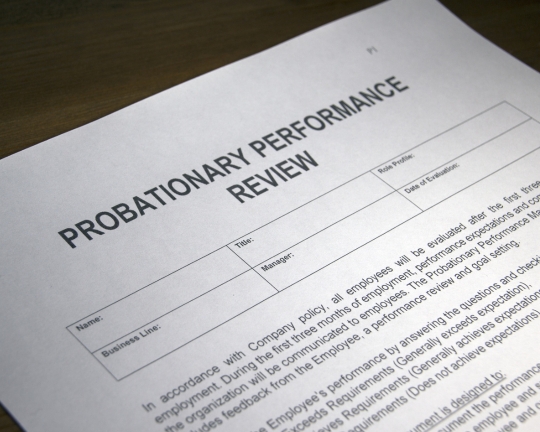
Hiring someone new is basically a roll of the dice. The interview may have gone smoothly and their resume may be really impressive. Yet, all these don’t guarantee your new hire will be a success. That’s why so many companies have embraced the use of probationary periods.
But what exactly is this probationary period? Is it even a good idea for your type of business? And if yes, how can do to ensure it’s fair and wont land you in legal hot water? Let’s find out.
What Is a Probationary Period?
A probationary period is basically a set time frame at the start of a new job where the company decides if a new hire is actually the right fit for the role. Most companies use somewhere between 60 to 90 days, although some might stretch the period of time to six months depending on the nature of work.
Some companies call it something different, such as an introductory period, a trial phase or an orientation period. Same concept, different names.
During this window, managers tend to be more watchful of how their new employee is performing, provide regular feedback and maybe postpone things like full-time employees benefits or a permanent salary rate until the successful completion of the probationary period. Once the employee aces this period, they usually transition to a permanent position with all of the normal benefits that come with that, like health insurance.
Here’s where many managers get stumped though. Having a probationary period doesn’t actually change your legal rights as an employer, and it doesn’t alter the employee rights either. In the US, the majority of work is at-will, where the employer or employee can terminate the employment relationship whenever they want, with any legal reason. This holds true whether you’re day 3 or year 3 on the job. You can even terminate employees without prior notice period, except it’s required by the signed employment contract.
So, while a probationary period may sound like an specific legal phase, it’s actually more of an internal company marker than an actual legal requirement. The sole exception is Montana, being the only state which mandates a six-month probationary period by statute, after which employers typically need good cause to terminate.
It’s also good to know there’s no federal law mandating probationary periods whatsoever. There’s no statutory requirement that forces your hand. Whether to have one, and how to structure it, is completely a company culture call. Despite all of this, it’s worth noting about 60% of organizations as of 2025 choose to have a probationary period. Lets see why!
The Pros and Cons of Having a Probationary Period

There are some valid arguments on both ends.
The Benefits
It Helps Confirm Good Fit
Interviews can only tell you so much. A trial period of employment gives you real world evidence of what someone is really like, how they interact and how they fit with your company culture. The same goes for the new hire, who now has the opportunity to find out if the job is everything he hoped it would be.
It Creates Structure for Constructive Feedback
Regular feedback and check ins, during this window, become customary. This provides new hires with a well-defined runway for honing their skills and provides those in managerial positions a genuine and lawful reason to document employee’s performance along the way.
It Can Save You Money in the Short Term
Very few firms offer full benefits or a higher starting wage until the probationary period ends. It’s not stinginess, it’s managing costs while new team members are still finding their feet.
It Sets Clear Expectations Early
A well communicated probationary period informs new hires exactly what’s expected of them so they don’t have to do random things or become confused.
The Drawbacks
It Can Hurt Morale
The knowledge that you’re about to be scrutinized for 90 days creates real tension. Some probationary employees even feel like outcasts among other permanent employees, and that’s no way to start a new job!
It Could Discourage Good Applicants
View a probationary period as a red flag, like the new company doesn’t believe in its own hiring process. If you’re in a competitive market, this could cost you top candidates.
It Creates Legal Confusion
Here’s a big one. Employees sometimes believe that, once you’re past probation, you’re safe from getting the ax unless there’s just cause. That’s usually not true in at-will employment states, and this misunderstanding can lead to wrongful termination lawsuits. The same goes for sick leave claims, which is actually not clearly spelled out in the medical leave act for some states. That means whether or not a sick leave will be paid or unpaid depends on the specific local or state laws.
It’s Not Always Best Practice
Other than in collective bargaining agreements or to serve situations when an employer wants to enter a specific contract with an employee, probationary periods are not best practice elsewhere in most states.
What to Watch Out for During a Probationary Period

Look for Consistency, Not Just Talent
Some new hires tend to dazzle everyone during the interview but can’t translate that into the day-to-day responsibilities. Some also start slowly and keep get better with each passing day. So, give new hires reasonable time to prove themselves before you make judgment calls.
Focus on Culture Fit, Not Personality Clashes
There is a distinction to be made between a new hire not aligning with your company culture and simply doing things in a different way than you’re used to. Don’t confuse the two.
Document Everything
If poor performance becomes a problem, you want a paper trail. Performance review notes and specific examples have you covered in case things go south. It also helps the employee know exactly where they stand.
Observe Their Reaction to Feedback
This tells you a lot. Do they embrace negative feedback and adjust, or become defensive? This single habit, as a matter of fact, predict career success more than early errors do.
Keep an Eye on Employee Benefits Timing
This one particularly concerns employers in the United States. If your company is covered by the Affordable Care Act (ACA), you cannot deny health insurance benefits to eligible employees past 90 days, even if your probationary period is longer. Miss this and you could be facing a lawsuit. So, keep an eye out for day 90 so benefits kick in on time and you stay compliant.
Watch for Accommodation Requests
Even probationary employees may be entitled to reasonable accommodation under disability law. You can’t take that benefit away just because they haven’t earned that permanent status yet.
How to Set Up a Probationary Period That Works for Everyone

Keep the Terminology Light
Calling it onboarding period or training period sounds so much less scary than probationary period and can relieve unneeded stress for new hires.
Set a Clear, Reasonable Duration
Most companies opt for a 90-day probation period, though some extend it to six months for upper management or highly technical roles. Whatever the case, be sure to state upfront the exact duration of a probation period.
Put Everything in Writing
Your employment contract or offer letter should clearly outline the terms of the probationary period. This could mean details like performance standards, review dates, what happens at the end of the probationary period, among other relevant information.
Reinforce At-Will Status
To be safe and free of any legal risks, explicitly state that employment remains at-will during and after the probationary period, unless you’re in Montana or working under collective bargaining agreements.
Provide Real Support, Not Just Performance Evaluation
Give new hires additional training and a clear onboarding plan. They also need access to mentors for proper, personalized guidance. Your new hires shouldn’t feel like the entire system was designed to make them fail during this initial period of employment. Providing ongoing support and guidance ensures that.
Schedule Regular Check-Ins
Don’t wait until day 89 to provide feedback. Regular feedback throughout the probation period lets new hires course correct in real time instead of being blindsided.
Apply Policies Consistently
All new hires in each role should be subject to the same probationary period conditions. Any patchy enforcement or signs of favoritism can bring up anti-discrimination law suits and other legal issues quickly.
Consult Legal Counsel
Labor law is different in every state. Seeking the legal counsel of a professional in the concerned state and having your policy reviewed ensures you don’t accidentally run into legal compliance issues down the road.
Is a Probationary Period Right For You?
A probation period can indeed help employers and new hires find out if their new position is a perfect fit. But, that’s only possible only when it’s paired with transparency and respect. So, keep it simple, keep it in writing, provide genuine support, and definitely create an environment that makes everyone feel seen and appreciated, old and new staff alike.