

Imagine yourself in a business meeting. You just sat through 30 minutes of hot discussion over a huge project that needs to get done right and at the very end of the meeting, the manager gets up and says, “this needs to be done by next week”, and then walks straight out of the room. Does that mean Monday morning? Does that mean Friday afternoon? Beginning of the day or end of the day? Who’s handling what tasks? The manager just failed his team without even realizing it! That’s because each team member will interpret his unclear instructions differently and may miss deadlines, which deflates productivity. That’s why communication is important.
Poor communication creates misunderstandings, frustrated colleagues, and unhappy customers. All that negative energy eventually damages employee morale and a companies potential for success. So let’s take a look at how good communication helps in team building and can actually drive business success way more than you might even think.
What is Good Communication in the Workplace?
Workplace communication is how staff members share important information and exchange ideas with each other. However, good communication is more than just passing information along. Effective communication requires active participation from both the sender and receiver in every interaction.
Great communication means conveying the right message so clearly that the recipient understands exactly what you mean. This can create way better interpersonal relationships and bolsters the ability of teams to achieve common goals across departments. Having strong communication skills is the foundation of effective teams and successful organizations.
When team leaders have good communication skills, they create an environment where open dialogue happens naturally. This type of communication builds trust and encourages collaboration between different people from different backgrounds.
The Four Communication Styles in the Workplace.

Modern workplaces need good communication across the board. Whether you’re talking to team members, bosses, clients, or anyone else, mastering the different types of communication styles will make you way more effective at work:
- Verbal Communication
- Verbal communication means sharing information through spoken words in presentations, face to face meetings, or via phone calls. This also includes public speaking, negotiating, and everyday conversations. Good communicators speak clearly, confidently, and to the right audience.
- Non-verbal Communication
- Nonverbal communication skills use positive body language, facial expressions, eye contact, and tone of voice to add to the message. Non-verbal cues often say more than actual words do. They play an important role in conveying emotions and building stronger connections.
- Written Communication
- Written communication means crafting clear messages through emails, reports, and text messages. In this digital age, communicating via social media platforms and digital tools require more than one approach. You need different healthy communication styles for different audiences.
- Visual Communication
- Visual communication uses charts, graphs, diagrams, and multimedia to explain complex information. This form of communication helps different people understand key information quickly and retain it longer.
9 Reasons Why Communication is Important for Corporate Success
The importance of communication goes far beyond just passing on information. Here are some measurable, clear benefits of utilizing effective communication in the workplace:
1) Builds Trust and Strengthens Employee Loyalty

Transparency and open communication builds trust between team members and those in leadership positions. People want to be included and valued, and when they receive clear, important information, they are more likely to feel that way. This trust is the cornerstone of employee engagement and long-term commitment.
Clear communication is important in preventing misunderstandings which could result in office conflicts. When business leaders communicate openly, they remove the mystery of “what’s going on behind the scenes.” This level of transparency goes a long way in fostering deeper professional relationships at all levels.
2) Dramatically Improves Team Productivity
Team members who know what is expected of them are far more productive. Clear communication can prevent any confusion that surrounds responsibilities and deadlines. When there’s free flow of important information, staff members get to concentrate on producing great results without second-guessing what is needed.
Effective communication skills ensures that everyone is walking on common ground with project requirements, departmental goals, and company priorities. This kind of alignment creates to a unified team pursuing a common goal.
3) Resolves Conflicts Before They Escalate

Disagreements or conflict is a natural part of every organization. Since it can’t be avoided, how you handle conflicts among workers can either make or mar your business. Open dialogue is one of the best ways to arrive at the former. Practicing active listening and providing productive feedback also helps to find solutions that are best for everyone involved.
Strong communicators tackle matters head on, while using body language and tone of voice that’s positive and respectful. This approach keeps petty quarrels from turning into full-blown squabbles at the office.
4) Cultivates Healthy and Inclusive Workplace Culture
Effective workplace communication creates an inclusive environment where people of different cultures feel ‘heard’. In such collaborative work environments, team members from all walks of life get to freely share their different perspectives for the betterment of the company.
Good communication skills also help team members understand one another much better, irrespective of any generational gaps or cultural differences. This diversity also reinforces the team’s decision-making process and promotes team work.
5) Drives Innovation and Creative Problem-Solving

The secret behind most high-performing teams is open communication and the freedom to exchange ideas without fear of criticism or being judged. Effective teams stimulate creative thinking by welcoming diverse perspectives and approaches. When people are comfortable sharing both the good and the not-so-good ideas, game-changing innovations spring up organically.
Strong communication skills foster environments where team members can build on of each other’s ideas. This collective approach yields better results and creates more inventive solutions.
6) Strengthens Client Relationships and Customer Satisfaction
Great communication is not only vital between in-house teams, but also for customer interactions and client relations. By communicating effectively with clients, companies create stronger partnerships and have higher retention rates.
Regular feedback and timely updates also communicate to customers that they’re valued partners. A company with good communicators will listen to its customers, understand their needs, and respond appropriately, which creates lasting business relationships.
7) Significantly Increases Job Satisfaction Levels

When team members feel heard and understood, their job satisfaction improves dramatically. Open lines of communication among staff and those saddled with leadership roles lower work-related stress significantly.
People who can have honest conversations about expectations, progress, and difficulties simply enjoy their job more. Increased job satisfaction also results in increased productivity and lower rates of voluntary turnovers.
8) Enables Better Decision-Making Processes
Critical information needs to flow smoothly for smarter business decision making process. Accurate, up-to-date information helps teams assess different options and choose paths that are in line with company goals. Strong communication ensures that nothing important is lost in translation.
Open lines of communication enable teams to exchange different ideas and come to a consensus more quickly. This collaborative approach produces better results and facilitate project success.
9) Strengthens Leadership Effectiveness Across All Levels

Decisive team leaders who communicate well are more efficient and can inspire better performance. Strong communication skills are needed to delegate work, resolve conflict, and motivate.
Good communicators don’t just speak well–they create environments where everyone can communicate effectively too. This has a multiplier effect across the entire organization and boost productivity.
7 Proven Strategies to Improve Communication in Your Workplace
Let’s discuss certain best practices that companies can put in place to improve team communication and make the workplace communication better:
1) Clearly Define Goals and Expectations
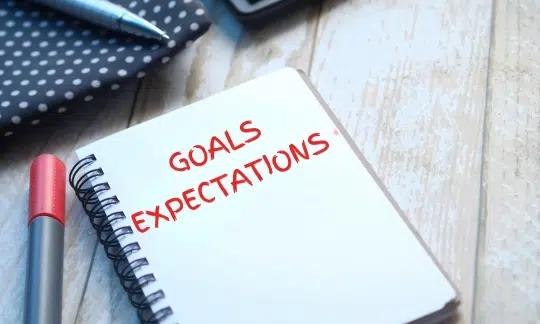
Team leaders must be able to define clear, actionable goals to members or groups. There should be total clarity on project needs, departmental goals, and the priorities of the organization. Clear expectations prevent confusion and missed due dates.
Effective communication is when you can break complex projects into smaller doable pieces. This ensures that team members understand their individual roles and how their work contributes to shared goals.
2) Deliver Messages Clearly and Respectfully
Make sure your message is heard by the right people and with no confusion whatsoever. Use clear, simple, and polite language, tailored to the needs of your listeners. A good communicator chooses words that inform rather than intimidate.
Good communicators also know their audience and adjust their tone of voice accordingly. This flexibility is critical to help ensure that the right message gets to the right people in the right way.
3) Choose the Right Communication Channel for Each Situation

Different sets of circumstances will call for different means of communication and approaches. Face-to-face meetings are best for establishing trust and discussing sensitive issues. Video calls are a great way for remote teams to feel connected and engaged.
Text messages are good for fast updates, and emails for detailed instruction. Social media platforms could also be an ideal choice for certain team-related communication and updates.
4) Keep Communication Lines Open and Accessible
Consistently push for updates from all team members and encourage regular progress reports on every project. This is especially crucial when working with remote workers who may feel disconnected from the team.
Open communication help address small issues before they become serious problems. Periodic reports provide opportunities for you to identify and resolve issues before they impede project success.
5) Practice Active Listening Skills Daily

Active listening is the practice of giving speakers your full attention as they put forward their ideas and express themselves. Listen to understand, not just to argue or defend your own points. Instead, ask open-ended questions, summarize what you’ve heard, and clarify any confusing parts.
Good listeners show respect and promote understanding. This creates trust and make the individual feel comfortable discussing more things in the future.
6) Show Empathy and Understanding Consistently
Being a good communicator also means recognizing the emotion and motives behind people’s words. Respect the feelings and viewpoints of others, even if you don’t share the same opinion. This empathy fosters trust and promotes more open conversations.
Strong communicators respect the opinions of others without crossing professional boundaries. This approach makes for safer spaces to communicate honestly.
7) Respect Cultural and Generational Communication Differences

People are different; and it’s this uniqueness, along with our varying experiences and diverse backgrounds that determine how we communicate. Therefore, effective communicators must be able to adapt their communication styles to accommodate these differences.
When we acknowledge other cultures and generational preferences, we can communicate in a more inclusive manner. This inclusiveness translates into more effective relationships and greater productivity as a team.
Why is Communication Important: Healthcare as a Case Study
In healthcare, smooth exchange of information is a matter of life and death. Healthcare providers can’t but communicate with patients, their family members, and other care professionals. Clinical nurses and other health professionals rely on clear communication for quality patient care.
Care teams need strong communication skills to coordinate treatment plans and share critical information. Health professionals who are good communicators provide better patient care and improved outcomes for care recipients.
Start Transforming Your Workplace Communication Today
Good communication skills don’t develop overnight. Rather, it’s a product of intentional practice and consistent adherence to certain best practices. Investing in business communication pays off through increased productivity, reduced conflicts, and stronger workplace culture.
Looking to improve team communication across your business? We’ve got several different seminars and activities that will help you and your team instantly improve communication across the board. Go check some of them out!